@David-Healey Perfect, i'll search everything
thanks for helping me 
@David-Healey Perfect, i'll search everything
thanks for helping me
Yes, exactly!
I mainly wanted to confirm that this kind of approach is feasible in practice. What I’m really looking for at this stage are a few high-level hints. For example, common ways to generate a reasonably stable hardware ID and whether it’s possible for the plugin to automatically create a local authorization file after validation, like an auto sign-in.
I just need these small details before starting so I can get a clear idea of the overall architecture. Any advice or best practices would be very welcome.
@David-Healey I think there’s a misunderstanding here.
The authorization tool would not be distributed to end users.
The user would only provide their HWID, and I would generate the corresponding signed authorization key on my side and send it back to them. The plugin would then only perform local validation using the embedded public key.
These plugins are not publicly released products. They’re sold to a relatively small number of clients, which makes the likelihood of targeted cracking quite low. However, without any form of verification, the likelihood of the files simply being shared between users would be relatively high.
The goal isn’t to stop cracking in general, but to discourage casual sharing of the plugin between friends
@David-Healey The authorization tool would run locally.
The goal is to keep the whole system offline, without requiring a server-side check
We’re planning to use Ed25519 for signing, similar to what we’ve used in previous projects
We haven’t fully decided on using Ed25519 yet. Any advice or recommendations would be appreciated
@David-Healey The HWID would be generated locally, and an external tool would be used to generate the corresponding authorization token, which the plugin validates at runtime.
@David-Healey I do understand what you mean, I know that it doesn't cover every vulnerabilities and it can get cracked at any moment.
The goal of this security system is to discourage file sharing, not to provide unbreakable protection. I mean, I know its never gonna be between the hands of team R2R or some pentest pro, it is not meant to be available for purchase online that's why I want to make a security using the HWID.
Hello,
I'm currently developing plugins for my customers and I need to implement a basic licensing / verification system to prevent my plugins getting leaked.
My idea is to build a local (offline) protection system based on a Hardware ID (HWID) generated from the user's machine.
The HWID would then be cryptographically signed (or validated) and stored in a local file, allowing the plugin to auto-authorize itself on startup without requiring an online check.
I'm not asking for a full implementation, just some guidance on:
How to generate a HWID
Thanks in advance.
Hello, i'm making an eq and on the top i want to put a preset saving. And I was wondering, am I obliged to put a FloatingTilePanel with the Preset Browser, or I can do it without it
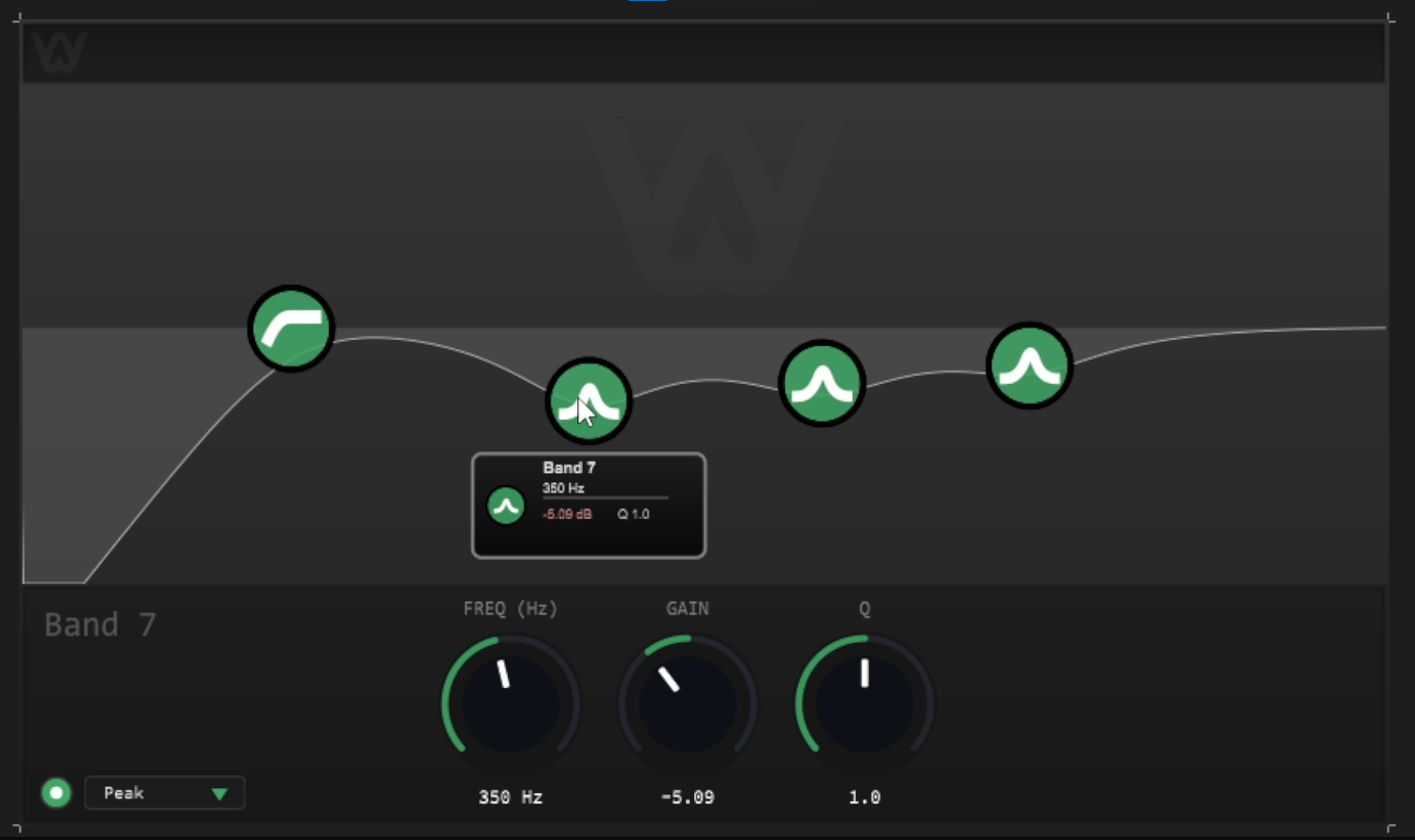
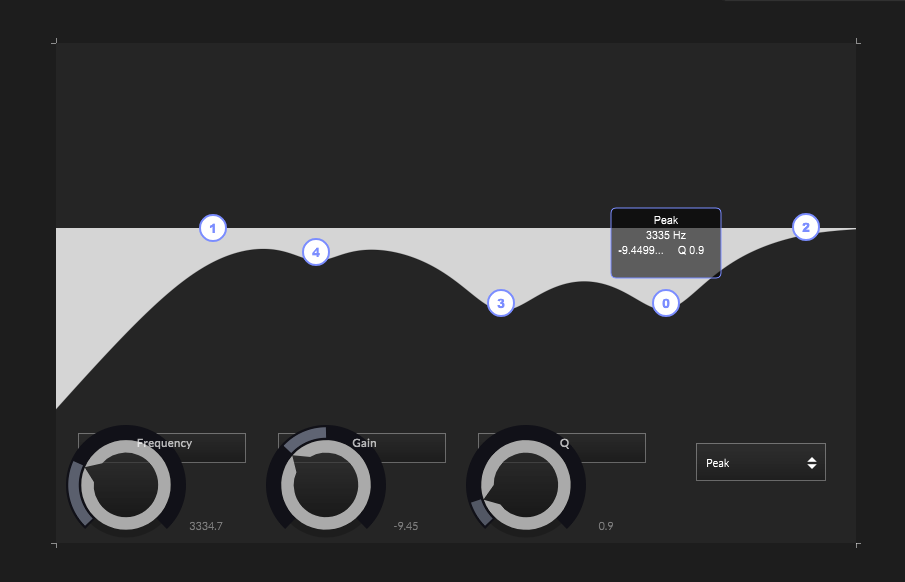
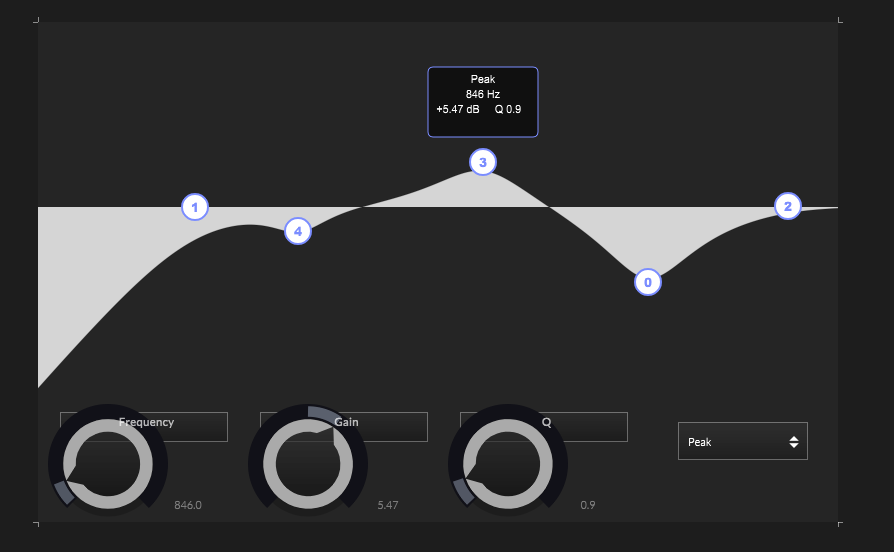
Hello, im facing some convertion problems while trying to convert some dB from my band in parametriq EQ. Sometimes it works sometimes it glitches.
here's the chunk of the code:
var gainValue = Math.round(band.gain * 100) / 100;
    var band = bandValues[obj.index];
    var freqText = Math.round(band.freq) + " Hz";
    var gainValue = Math.round(band.gain * 100) / 100;
    var gainText = (gainValue >= 0 ? "+" : "") + gainValue + " dB";
    var qValue = Math.round(band.q * 10) / 10;
    var qText = "Q " + qValue;
    var typeText = typeNames[Math.max(0, Math.min(4, Math.round(band.type)))];
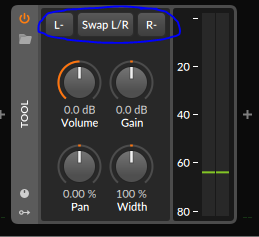
Hello, is there is a way to flip the phase with scriptnode? juste like in ableton or bitwig Left Right thing
hello, so I wanted to know if in scriptnode its possible to do this type of sidechaining thing like in the Pro G (fabfilter)
So basically the way it works is: the gate will only affect in the frequency range selected. For exemple it helps if you have pops or things like desk vibrations below the frequency range, it will not open the gate.
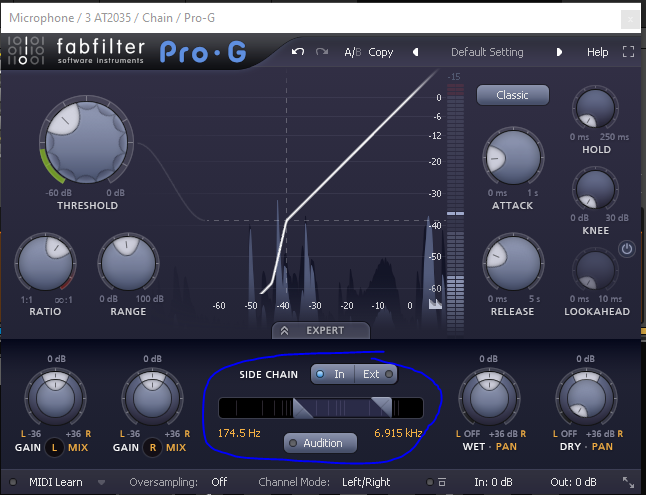
@HISEnberg I see I see thanks for helping, since you're there i'm asking you this because I'm searching thru the forum and I can't find it.
I want to control these 2 frequencies at the same time to make a Solo button, but I don't know how i'm supposed to control them both at the same since you can put only 1 ProcessorID.
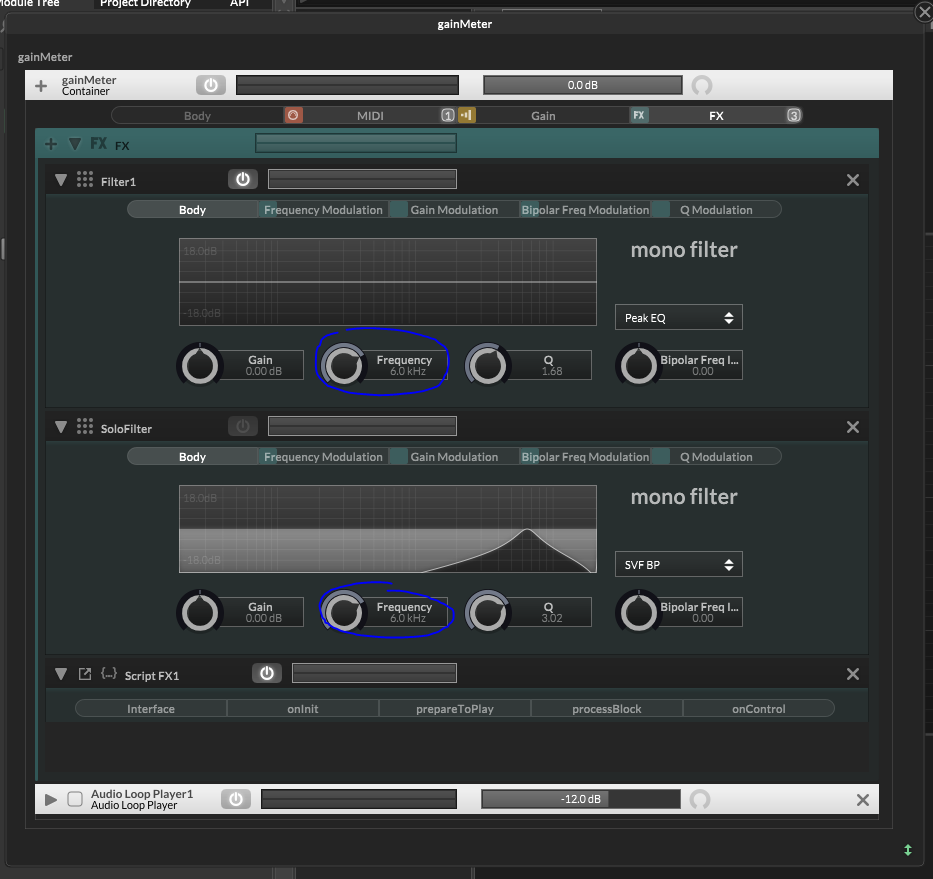
@HISEnberg Wow thank you bro appreciate, last question (im sorry for bothering its really to gain time ^^'), is it possible to make it go from top to bottom rather than bottom to top?
@d-healey oh yeah you're right I was at the top of the block not of the entire dsp sorry
@d-healey hmmm, I think im missing something?
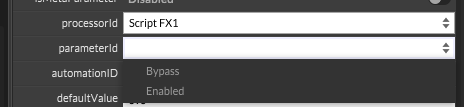
@d-healey oh how you did it with processor and parameter ID?
@d-healey to control with processor and parameter ID you need to compile the dsp network first
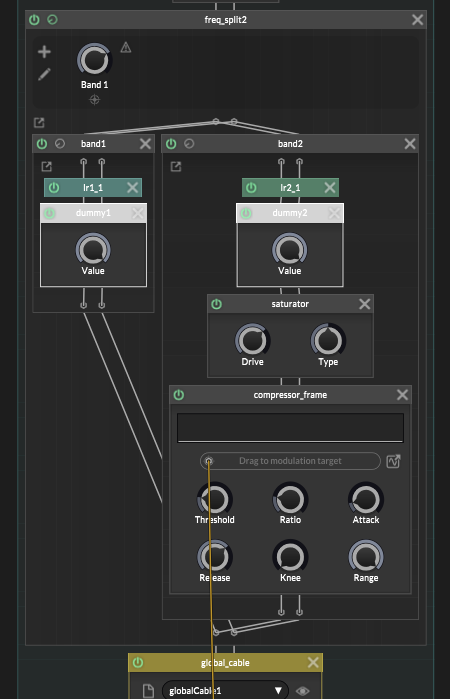
Hello, I'm very new and i'm trying to figure out how to control a knob without compiling the dsp network.
My goal is to control this in the UI
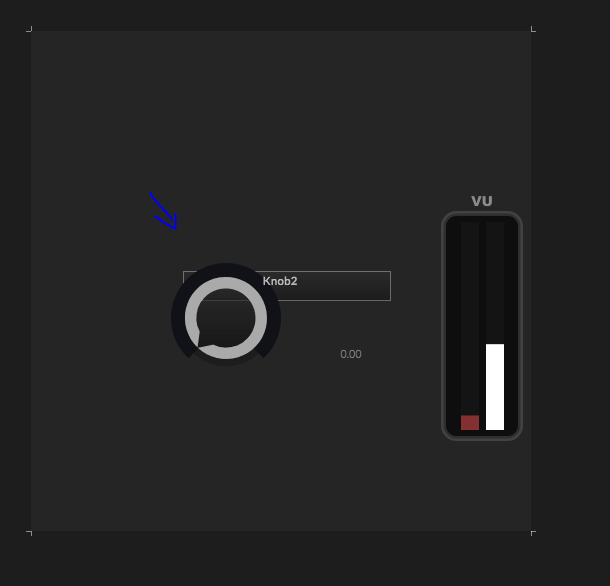
To control any parameter, thanks
@HISEnberg Hello thanks for replying i know im late i just tried it and its so easy thank you very much, do you know if its possible to make it smoother? because i feel l ike its just spawning and despawning from nowhere